Charlie Loyd @vruba@everything.happens.horse
- charlie@planet.parts
- work
- geographical pixels
- where
- Xučyun/Oakland, Ohlone land, western Laurentian accretions
- who
- him
You know him on the internet. Eucalypt-adjacent; very occasional writer. Consulting and passively looking for work in geospatial, image processing, and related fields.
Joined Apr 2022
Charlie Loyd
boosted

The documentation for this image processing library is one of the most interesting things I've read in weeks:
https://github.com/celoyd/potato/blob/main/docs/personal.md
https://github.com/celoyd/potato/blob/main/README.md
https://github.com/celoyd/potato/blob/main/docs/concepts.md
Philosophical discussion of the nature of seeing and what am image is vs a map, fascinating technical details about how satellite imaging works and why it looks as bad as it often does, a lot of really thoughtful conversation about engineering and aesthetic process, and even an amusing unit of measurement — grams per terrapixel.
Charlie Loyd
boosted
You know when someone says something like “My therapist let me know a really interesting trick:” and then they say something that’s an obvious solution to a problem you cannot imagine having? You’ve seen a little too deeply into their worldview? This is how a lot of year-end lists come across.
Charlie Loyd
boosted

Happy holidays, fediverse!
I got you a megathrust earthquake, soil liquefaction, spine-tingling papers about the way our networks confound knowledge, and a PDF in a pear tree. It's my wrap on a year of trying to make sense of how we make sense of what's happening to us.
The most important part of Potato for me is its colors. For more than a decade, in several workplaces, I’ve griped about how standard pansharpening renders colors. It’s been gratifying to show what I think is a better way.
So if you work with satellite imagery, I hope Potato makes good holiday reading. If you don’t, I hope it gets you interested. And if you’re hiring for skills shown in it (chewy, cross-disciplinary spatial/visual/etc. work), drop me a line.
There’s a lot in the repo, but I’m happy to say the core code is small and efficient. You can pansharpen several megapixels/second on an ordinary CPU, and somewhere > 10 Mpx/s on a gaming rig.
It's all licensed CC BY-NC, like its training data: Maxar/Vantor’s Open Data Program (h/t @marcpfister). This is imagery for disaster response, and a goal of Potato is to publicize that data, and similar data, and to encourage work that makes it easier to use.
It’s got a lot of moving parts and I wanted to make it intelligible to several audiences, so the documentation is a bit much at times.
I’m not expecting most people to know what pansharpening is, or to have a pressing need to do it themselves. But it’s an interesting problem, and I hope it’s interesting to learn about. It’s taken a lot of inspiration from across domains (by movie colorists, for example).
I’ve been working on this occasionally for years. It’s been a weekend morning here, a notebook page on the bus there, week-long sprints between contracts, etc. Eager to learn what hugely embarrassing bugs I’ve left in it.
I’ve just published Potato, a new pansharpening package. It aims to render certain kinds of satellite imagery more clearly and accurately than what’s for sale and on satellite maps today: https://github.com/celoyd/potato/
It’s under 50k parameters, comes with a working checkpoint, runs on a home computer, and is specialized on WorldView-2/3 ARD imagery. It does a few things I haven’t noticed before in the literature: for example, using all the visible multispectral bands to make its visible colors.
It’s called the Getty Museum open data because it lets you get the wait no because you can freely be getting the no hang on okay because you can museum the gotten no I messed it up again but seriously folks you can “got” the artworks aw shit
https://mastodon.social/@creativecommons/115532158945263774
Technically this is a type of phase diagram.
https://pixelfed.social/p/Atanas/895754272486310141
Charlie Loyd
boosted

If you live in northern Arizona, you can go to this and have my eternal envy. This Saturday, FIVE young California Condors are being released into the wild at Vermillion Cliffs national monument, and the public can come see them fly! (It's also going to be livestreamed, which is how I will watch!)
#birds #vultures #SomeGoodNews
https://peregrinefund.org/event/2025-california-condor-release-sep27
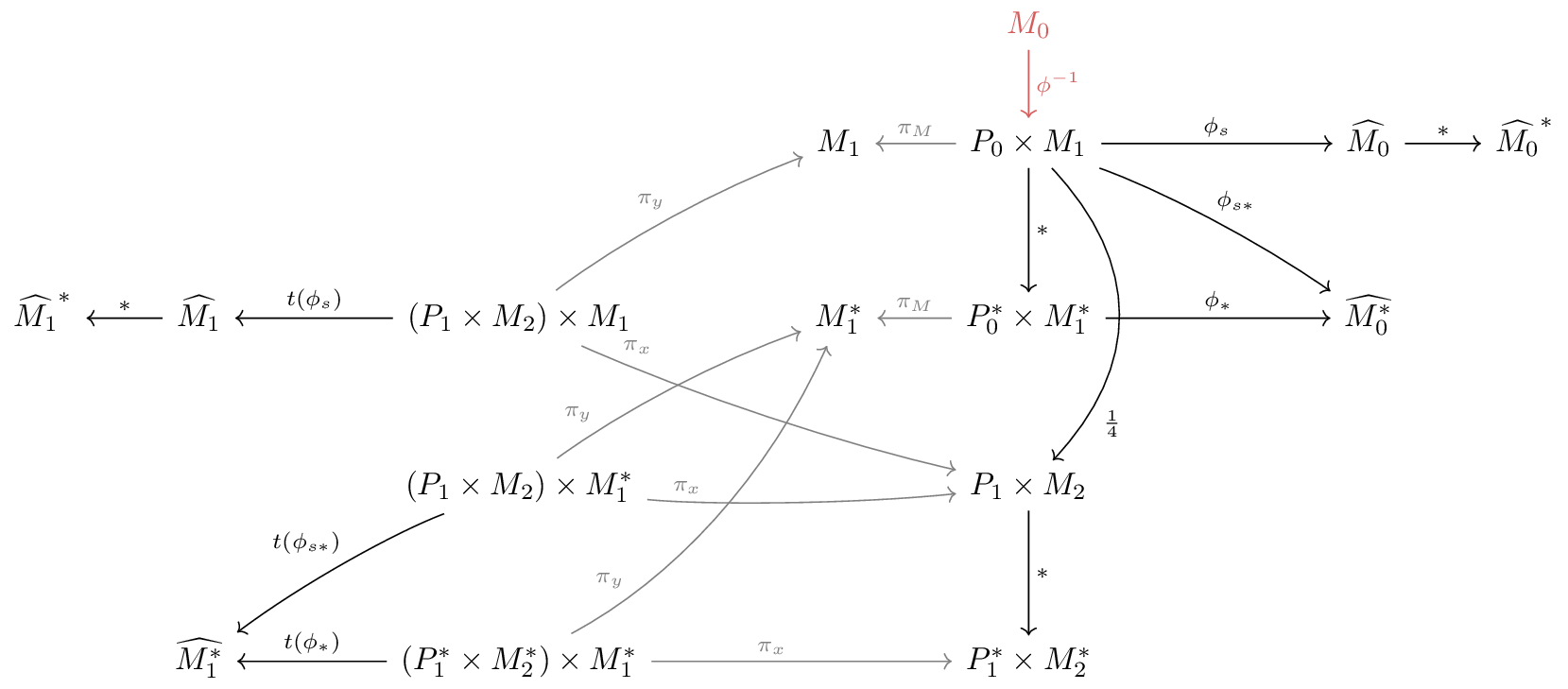
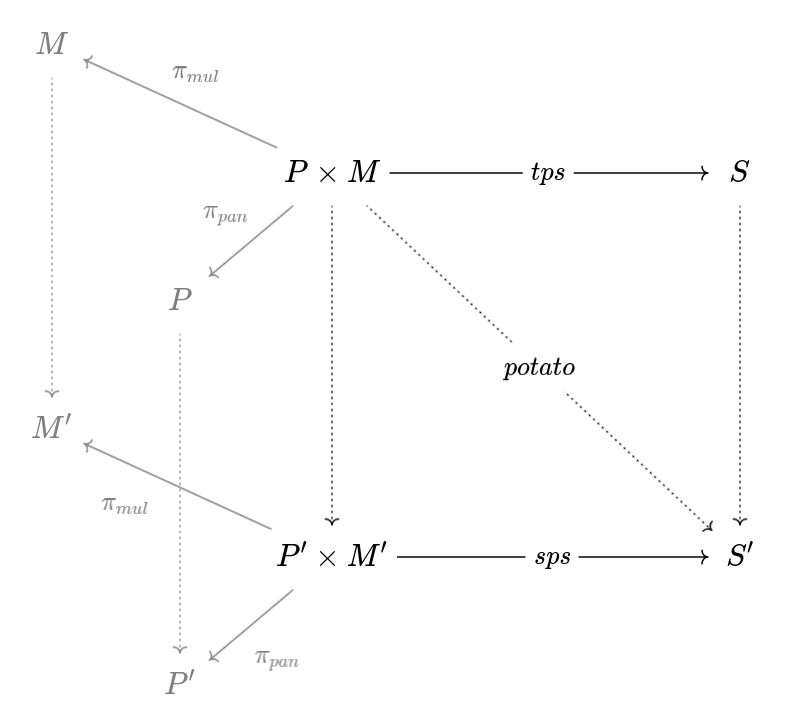
Everyone’s going to be grateful for my explanation of satellite imagery data pathways if I make it look like a category theory diagram without actually using the notation correctly!
Decades from now, some relative of mine is going to be going over the old notebooks I willed to them, flip one open to the page where I doodled “Turgeneverending Story Musgrave of the Fireflies” and put them all in the nonrecyclable trash.
Charlie Loyd
boosted
Charlie Loyd
boosted

Charlie Loyd
boosted

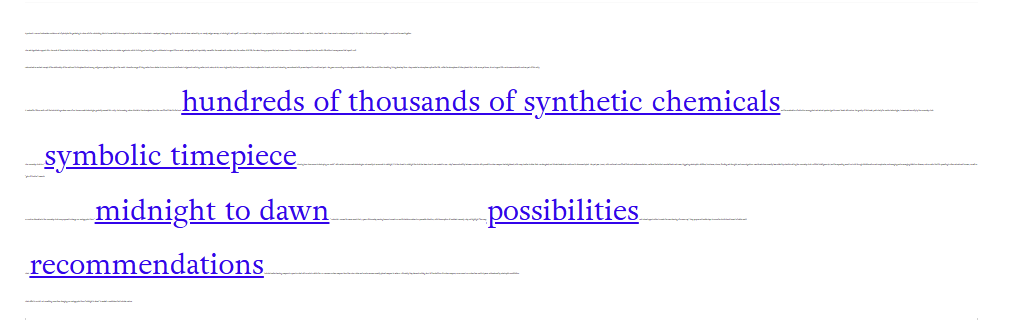
local newspaper has some CSS to make the text really small if you're not logged in and/or you've hit your article limit. but it doesn't cover <a> tags apparently, so articles with links make interesting erasure poetry
Charlie Loyd
boosted

Do you approve of the state of the software industry?
Eager to try this. Good example of an open software project building consensus, doing the funding work, and properly fixing a UX trouble spot.
https://mastodon.social/@gdal/114478844610860445
Worryingly close to setting up a single-serving site that tells people to put spaces between numbers and their units. I’m surrounded by things like “a 5m gap” and “processing 15items/s” and I can’t take it much longer. Other than that I’m doing great.
Writing some tests and unfortunately they have turned up a bunch of bugs.
- charlie@planet.parts
- work
- geographical pixels
- where
- Xučyun/Oakland, Ohlone land, western Laurentian accretions
- who
- him
You know him on the internet. Eucalypt-adjacent; very occasional writer. Consulting and passively looking for work in geospatial, image processing, and related fields.
Joined Apr 2022