
Ingrid Burrington @ingrid@everything.happens.horse
- pronouns
- any
- web page
- http://lifewinning.com
- a little newsletter
- https://buttondown.email/perfectsentences
Admin
Joined Sep 2020
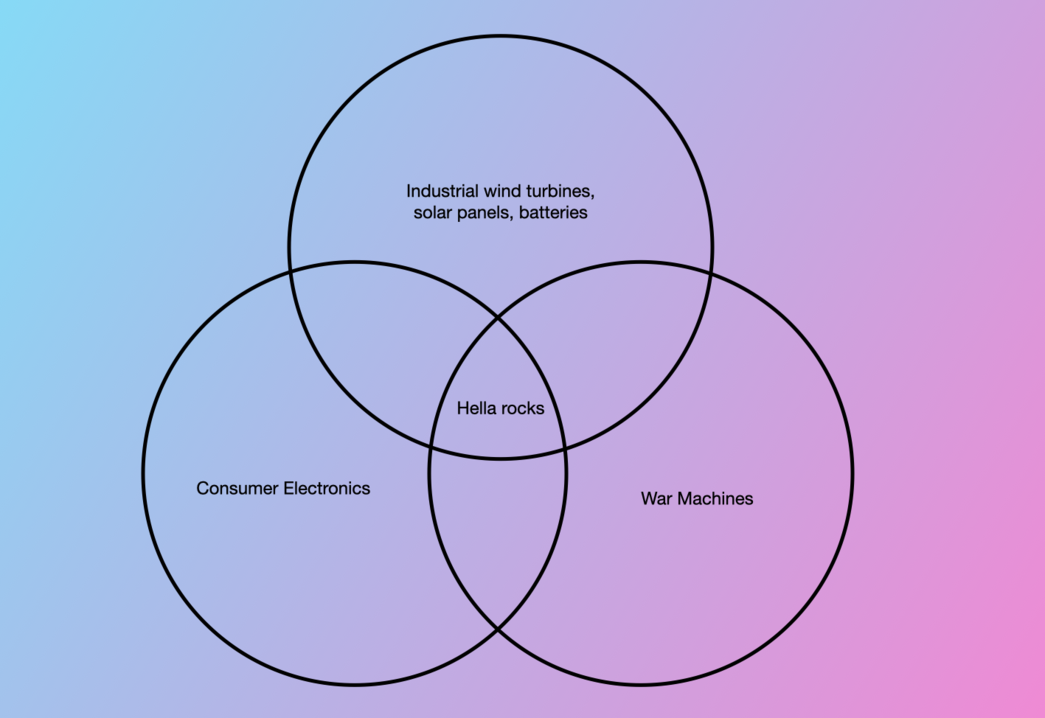
beryllium/gen z vernacular shitpost
I'm sorry by Antoine who
Ingrid Burrington
boosted

LLM stands for "landlord models" because you have to pay rent to a corporation to use them

academia blah blah, complaining about writing
the good news is I'm adapting a chapter of my master's thesis as an article for a special issue of the IEEE Annals of the History of Computing, which mostly just gives me nerd points and if I finish my PhD fulfills a requirement of publishing something
the bad news is: writing, which is my job but also the worst thing anyone has ever done
do I know any labor historians on here who might be able to talk about this NLRB case for a podcast? https://en.wikipedia.org/wiki/NLRB_v._Fansteel_Metallurgical_Corp.
@kit I assumed his cool outfit
causing chaos in the group chat by asking whether Ian Malcolm from Jurassic Park would have given a TED Talk
catching up on media art goss and realizing that I am 100% Out of Touch lol
@meetar peter it was a DELIGHTFUL film
https://buttondown.email/perfectsentences/archive/perfect-sentences-26/ this week in sentences: precisely how, elbows, thin cream, never getting close, a spooky place, well-read
Seeking recommendations for listserv codes of conduct--I have a lot of past ones from running events and forums but need something that also speaks a little to stuff like security culture and email etiquette
Ingrid Burrington
boosted

Navajo Nation’s COVID-19 curfews saddled hundreds with citations, netted no money for police https://www.tucsonsentinel.com/local/report/062223_navajo_curfew/navajo-nations-covid-19-curfews-saddled-hundreds-with-citations-netted-no-money-police/
The Navajo Nation tribal government passed legislation to direct revenue from COVID-19 curfew fines to the Navajo Police Department, but an investigation into the aftermath of the public safety measures found multiple breakdowns in implementation.
#Tucson #Arizona
we're doing a mini explainer episode about corporate personhood for RIP Corp and returning to the Hobby Lobby case I feel totally brain wormed by the idea that a corporation *has a religion*
Some good news today, very happy for my friend Blunt https://just-tech.ssrc.org/articles/2023-just-tech-fellows/
Ingrid Burrington
boosted


i have a cis friend and he said i can say it
@computerfact a computer byte
the arms of the South Sea Company are...a lot https://en.wikipedia.org/wiki/South_Sea_Company

just committing crimes as my limited liabilitysona
@Chanders feel like I need something more Graeber-y--finding the "well the pope had this idea and then it became part of european common law and then" explanations I'm finding a bit too simple in the vein of "money happens because barter complicated"
anyone have recommendations on the historical emergence of the corporation and the concept of property? legal theory tends to assume both as givens
- pronouns
- any
- web page
- http://lifewinning.com
- a little newsletter
- https://buttondown.email/perfectsentences
Admin
Joined Sep 2020